Beyond a Single Tree
Brush, small trees, and storm debris across a property — not just one tree.
What Makes This Different
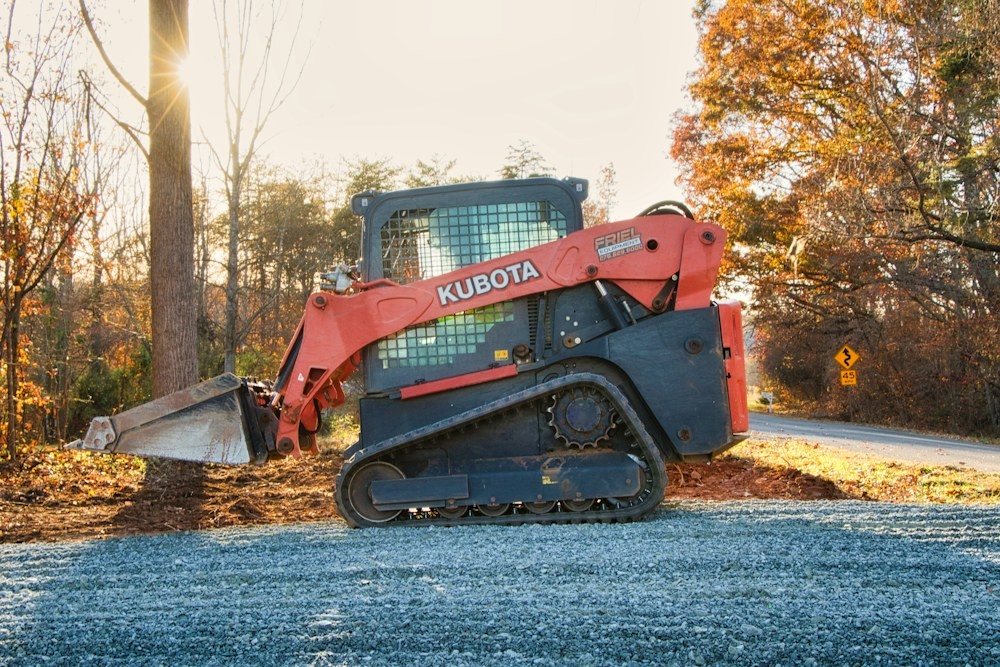
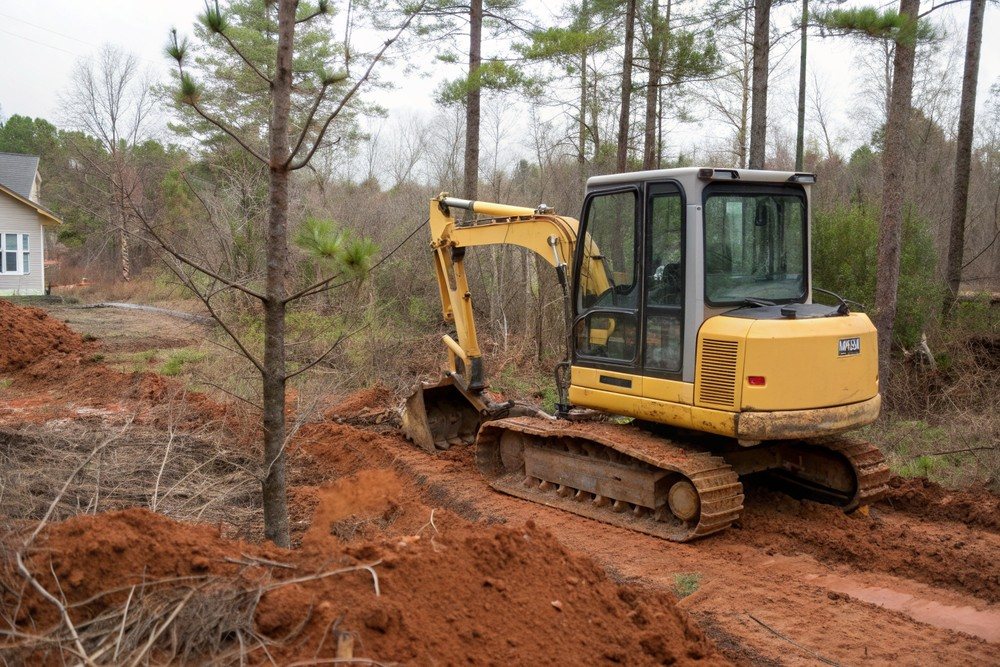
Utility line clearing — the work Marcus ran crews on for years — is really land clearing with a very long, very narrow footprint: a defined corridor, everything in it that's a problem comes out, and the crew is briefed on where the hazards are before the first cut. That's the same way we approach a lot in Douglas County. Inside Douglasville it's usually a wooded backyard that's gone to privet and sweetgum saplings, a fence line nobody has touched in ten years, or a lot being opened up for a pool or an addition. Out toward Winston, Villa Rica, and Dallas, where the acreage gets bigger, it's pasture edges losing ground to scrub and building sites that need the brush gone before a foundation goes in. We run the heavier equipment — skid steer and forestry-mulcher attachments, not just chainsaws — that this kind of job calls for, and we plan the site the way we'd plan a corridor.
Where We Work
Land clearing is available anywhere we do tree removal. See all the areas we serve →
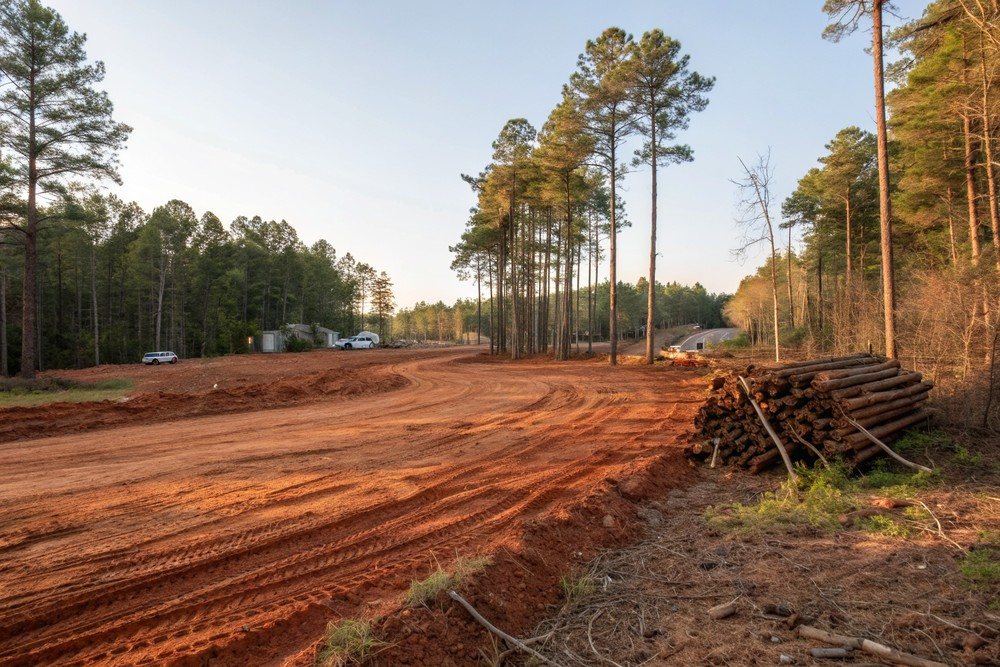
Clearing brush and small trees ahead of a new structure, pool, driveway, or fence — cut to whatever footprint the project needs, with the limits marked before the equipment rolls.
Reclaiming a backyard, pasture edge, or lot that's been left alone a few seasons and is now thick with privet, saplings, and vines.
When a storm takes down more than one tree across a property, we clear the whole affected area in one pass instead of one tree at a time.
Cost Planning
| Job size | Typical cost range |
|---|---|
| Small area (under ¼ acre, light brush) | $400 – $1,500 |
| Medium area (¼–1 acre, mixed brush/small trees) | $1,500 – $4,500 |
| Larger area (1+ acres, dense growth) | $4,500 – $10,000+ |
Land clearing prices swing more than a single removal — density, slope, tree size mixed into the brush, and whether debris is hauled or mulched on-site all move the number. These are general planning figures, not a quote; every job gets an on-site walk-through and a written estimate before work starts.
Forestry mulching and skid-steer clearing move faster and leave a cleaner finished grade than hand-clearing an area tree by tree.
Limits of clearing, stream buffers, utility lines, and the drop zones are walked and marked before the equipment starts — the same briefing discipline we bring to every removal.
Haul it off, mulch it on-site, or leave usable firewood — we ask what you want done with the material instead of deciding for you.
The same coverage that backs every job we run, scaled to the heavier equipment a clearing job uses.
Often, yes, once you're past a tree or two. The City of Douglasville requires a land disturbance permit for clearing, grubbing, and tree clearance tied to development, and stream buffers can't be cleared anywhere. Villa Rica and Fairburn have their own tree-removal permits, and Powder Springs draws the line at ten trees. We'll flag what your project looks like it needs during the estimate rather than assume either way — see our Douglas County tree permit guide for the rules by city.
Both are options. Mulching on-site is usually the cheaper route and leaves usable ground cover; full haul-away costs more but leaves a completely clean site. We'll price both during the estimate so you can decide.
Tree removal is priced per tree. Land clearing is priced by area and density — how much ground is covered and how thick the growth is — because the equipment and time scale with the footprint, not the tree count.
Get a free, on-site estimate for the whole area.
Enter your city or ZIP code to see if we serve your neighborhood.